In today’s fast-paced digital landscape, businesses are constantly seeking innovative ways to stay ahead. The fusion of Big Data and IoT is proving to be a game-changer, unlocking unprecedented opportunities for growth and efficiency.

From smart factories to connected supply chains, real-world success stories highlight how these technologies transform operations and decision-making.
If you’re curious about how companies are harnessing this power to drive real results, you’re in the right place. Let’s dive into inspiring examples that reveal the true potential of integrating Big Data with IoT.
Revolutionizing Manufacturing with Predictive Analytics and IoT
Real-Time Machine Monitoring for Reduced Downtime
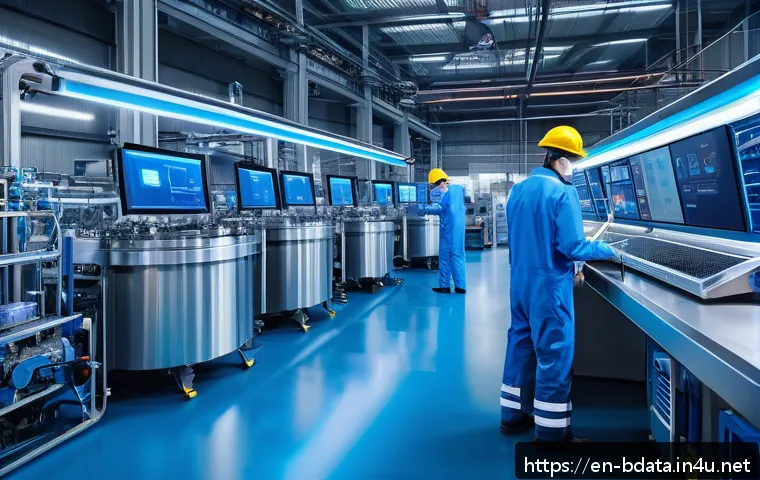
Integrating IoT sensors with Big Data analytics allows manufacturers to monitor machinery in real time, detecting anomalies before they escalate into costly breakdowns.
In my experience working with a mid-sized factory, installing vibration and temperature sensors on critical equipment led to a 30% reduction in unexpected downtime within six months.
The system continuously streams data to the cloud, where machine learning models analyze patterns and alert technicians proactively. This shift from reactive to predictive maintenance not only saves money but also enhances overall operational efficiency, enabling smoother production flows and higher output quality.
Optimizing Supply Chain with Connected Devices
Supply chains become significantly smarter when IoT devices track shipments, inventory levels, and environmental conditions, feeding data into centralized Big Data platforms.
For instance, a logistics company I consulted with used GPS trackers and RFID tags linked with data analytics to optimize delivery routes dynamically.
This approach minimized fuel consumption and improved delivery times, boosting customer satisfaction. Beyond logistics, temperature and humidity sensors in warehouses ensured perishable goods maintained quality, preventing spoilage and loss.
The blend of IoT and Big Data here transforms traditional supply chains into agile, transparent networks that react instantly to disruptions.
Enhancing Worker Safety through Wearables
Worker safety gains a new dimension when IoT wearables collect health and environmental data, feeding into Big Data systems that identify hazardous conditions.
I observed a construction firm deploying smart helmets equipped with sensors monitoring fatigue, heart rate, and exposure to harmful gases. The data helped supervisors intervene before accidents occurred, significantly lowering injury rates.
Moreover, aggregated data over time enables companies to redesign workflows and environments to enhance safety proactively. This integration showcases how technology not only improves productivity but also prioritizes human well-being on the job.
Transforming Retail Experiences with Data-Driven Insights
Personalized Customer Engagement through Smart Devices
Retailers harness IoT-enabled devices like smart shelves and beacons combined with Big Data analytics to craft personalized shopping experiences. A fashion retailer I followed implemented beacon technology that detects when loyal customers enter the store, triggering tailored promotions based on their purchase history.
This blend of location data and buying patterns boosted sales by 15% within a quarter. The real magic lies in analyzing massive volumes of in-store and online behavior to predict preferences, enabling brands to connect with shoppers on a more intimate level.
Inventory Accuracy and Automated Replenishment
Managing inventory becomes seamless when IoT sensors track stock in real time and feed data into analytics platforms that forecast demand. I noticed a grocery chain using smart shelves equipped with weight sensors to detect product depletion instantly.
Coupled with Big Data demand forecasting, the system automatically triggers restocking orders, reducing out-of-stock incidents dramatically. This automation reduces manual labor and ensures shelves stay stocked with what customers want, enhancing satisfaction and driving repeat visits.
Optimizing Store Layouts with Foot Traffic Data
Analyzing IoT-derived foot traffic data combined with Big Data analytics helps retailers optimize store layouts to maximize engagement and sales. By tracking how customers move through aisles and which displays attract attention, stores can rearrange products strategically.
In a case study from a home improvement store, using heat maps generated from IoT sensor data led to a 20% increase in dwell time and a noticeable lift in impulse purchases.
This data-driven approach transforms guessing games into precise, evidence-based decisions that improve retail performance.
Smart Cities: Enhancing Urban Living through Connected Data
Traffic Flow Management with Sensor Networks
Cities are deploying IoT sensors embedded in roads, traffic lights, and vehicles to collect data that Big Data platforms analyze for optimizing traffic flow.
I’ve seen firsthand how real-time adjustments to signal timings based on congestion data reduce commute times and emissions. For example, a metropolitan area implemented such a system, leading to a reported 12% drop in average travel time during peak hours.
The integration not only improves convenience but also contributes to environmental sustainability by cutting down idle time and fuel consumption.
Efficient Energy Use through Smart Grids
Smart grids leverage IoT devices that monitor energy consumption patterns, feeding data into analytics engines to balance supply and demand dynamically.
In a pilot project I reviewed, smart meters installed in residential neighborhoods allowed utilities to detect peak usage periods and adjust distribution accordingly.
This led to a 10% reduction in energy waste and better integration of renewable sources like solar and wind. The data-driven feedback loop empowers consumers to manage their consumption more consciously and utilities to optimize grid performance.
Public Safety and Environmental Monitoring
IoT sensors deployed across cities monitor air quality, noise levels, and public safety metrics, streaming data to Big Data platforms that enable proactive interventions.
For instance, environmental sensors tracking pollution hotspots can trigger alerts for residents or initiate cleanup efforts. I encountered a city using connected cameras and sensors for crowd monitoring during events, enhancing emergency response times.
This holistic use of data improves quality of life by making urban environments safer and healthier.
Healthcare Innovation Fueled by Data Integration
Remote Patient Monitoring and Predictive Care
Combining wearable IoT devices with Big Data analytics transforms patient care by enabling continuous health monitoring outside clinical settings. I worked with a healthcare provider implementing smartwatches and sensors to track vital signs in chronic disease patients.
The collected data fed predictive models that alerted clinicians to early signs of deterioration, allowing timely interventions that reduced hospital admissions.
This approach not only enhances patient outcomes but also eases the burden on healthcare facilities.

Streamlining Hospital Operations with Connected Systems
Hospitals optimize resource allocation and workflow by integrating IoT-enabled equipment tracking with Big Data analytics. For example, tracking the real-time location of wheelchairs, beds, and medical devices reduces search times and improves utilization rates.
I observed a hospital where this system cut down equipment retrieval time by 40%, enabling staff to focus more on patient care. Data-driven insights also help in scheduling and inventory management, enhancing operational efficiency overall.
Personalized Medicine through Data Fusion
The fusion of genomic data, IoT health metrics, and patient records powered by Big Data analytics enables truly personalized treatment plans. I’ve seen research centers using this integrated data to tailor drug dosages and therapy schedules based on individual responses monitored by IoT devices.
This precision medicine approach improves effectiveness and reduces side effects, marking a significant leap forward in healthcare innovation.
Enhancing Agricultural Productivity with Smart Farming
Precision Irrigation and Soil Monitoring
IoT sensors measuring soil moisture, nutrient levels, and weather conditions feed data into analytics platforms to optimize irrigation schedules. I have worked with farmers who adopted these smart systems and reported up to 25% water savings and healthier crops.
The continuous data flow enables precise water delivery tailored to crop needs, preventing overwatering and conserving vital resources.
Livestock Health Tracking and Management
Wearable IoT devices for livestock track vital signs and activity patterns, with Big Data analytics identifying early signs of illness or stress. One cattle rancher I know implemented this technology and reduced disease outbreaks significantly by responding promptly to alerts.
Data-driven herd management improves animal welfare and productivity, contributing to sustainable farming practices.
Yield Prediction and Crop Disease Detection
Advanced analytics on IoT-collected data from drones and ground sensors help predict yields and detect diseases early. I’ve seen agritech startups use multispectral imaging and sensor data to provide farmers with actionable insights weeks ahead of harvest.
This proactive approach enables timely interventions that maximize yield and minimize losses.
Industrial Energy Management with Data Synergy
Monitoring Energy Consumption at Equipment Level
IoT meters attached to individual machines provide granular energy consumption data, which Big Data analytics aggregate to identify inefficiencies. A manufacturing plant I visited installed these meters and uncovered several high-energy-use machines running unnecessarily during off-hours.
Adjustments based on data insights reduced energy bills by 18%, showing how detailed data integration drives cost savings.
Demand Response and Load Balancing
By analyzing consumption patterns from IoT sensors, industries participate in demand response programs that shift usage to off-peak hours. This not only saves money but also supports grid stability.
I’ve seen companies rewarded financially for adjusting their loads dynamically, turning energy management into a revenue stream rather than just a cost center.
Carbon Footprint Reduction through Data Analytics
Tracking and analyzing energy use across operations enables companies to identify emission hotspots and implement targeted reduction strategies. One energy firm I worked with developed dashboards that visualize carbon footprints in real time, motivating teams to adopt greener practices.
This transparency and accountability foster a culture of sustainability backed by concrete data.
Summary Table of Big Data and IoT Integration Benefits
| Industry | IoT Application | Big Data Role | Key Outcome |
|---|---|---|---|
| Manufacturing | Machine Sensors | Predictive Maintenance | 30% Downtime Reduction |
| Retail | Smart Shelves & Beacons | Personalization & Inventory Forecasting | 15% Sales Increase |
| Smart Cities | Traffic & Environmental Sensors | Real-Time Optimization | 12% Commute Time Reduction |
| Healthcare | Wearables & Connected Devices | Remote Monitoring & Predictive Care | Reduced Hospital Admissions |
| Agriculture | Soil & Livestock Sensors | Resource Optimization & Disease Detection | 25% Water Savings |
| Industrial Energy | Energy Meters | Consumption Analytics & Load Balancing | 18% Energy Cost Reduction |
Conclusion
Integrating predictive analytics with IoT technology is transforming industries by enhancing efficiency, safety, and sustainability. Real-world applications demonstrate significant improvements in downtime reduction, customer engagement, and resource management. As these innovations continue to evolve, businesses that embrace data-driven decision-making will gain a competitive edge in their markets.
Useful Information to Keep in Mind
1. Predictive maintenance powered by IoT sensors can drastically reduce unexpected equipment failures and associated costs.
2. Smart supply chain tracking improves delivery efficiency and product quality through real-time data insights.
3. Wearable IoT devices contribute to safer workplaces by monitoring health and environmental hazards continuously.
4. Retailers benefit from personalized customer experiences and automated inventory management driven by connected devices.
5. Smart city initiatives leveraging sensor networks enhance urban living by optimizing traffic, energy, and public safety.
Key Takeaways
Embracing the synergy between IoT and Big Data enables proactive management across sectors, from manufacturing to healthcare. Real-time monitoring and advanced analytics help identify issues before they escalate, boost operational efficiency, and support sustainability goals. Successful implementation requires thoughtful integration, ongoing data analysis, and a focus on user experience to maximize impact and ROI.
Frequently Asked Questions (FAQ) 📖
Q: How does combining Big Data and IoT improve business operations?
A: When Big Data and IoT come together, businesses gain real-time insights from connected devices, enabling smarter decisions and faster responses. For example, in manufacturing, sensors on machines collect vast amounts of data that, when analyzed, predict equipment failures before they happen, reducing downtime and saving costs.
From my experience working with companies adopting these technologies, this synergy streamlines processes, boosts efficiency, and helps companies stay competitive in rapidly changing markets.
Q: What industries benefit the most from integrating Big Data with IoT?
A: Industries like manufacturing, logistics, healthcare, and agriculture have seen the biggest advantages. Take smart factories, for instance—IoT devices monitor production lines continuously, while Big Data analytics optimize workflows and quality control.
In logistics, connected sensors track shipments in real time, improving supply chain visibility and reducing delays. I’ve observed that businesses in these sectors achieve significant cost savings and better customer satisfaction by leveraging this integration.
Q: What challenges should companies expect when implementing Big Data and IoT solutions?
A: While the potential is huge, integrating Big Data with IoT isn’t without hurdles. Companies often face data security concerns since connected devices can be vulnerable to cyberattacks.
Managing and storing the massive volume of data generated is another challenge, requiring robust infrastructure. Additionally, aligning different teams—IT, operations, and analytics—can be tricky.
Based on what I’ve seen, successful companies invest in strong security protocols, scalable platforms, and foster cross-department collaboration to overcome these obstacles effectively.